 EN


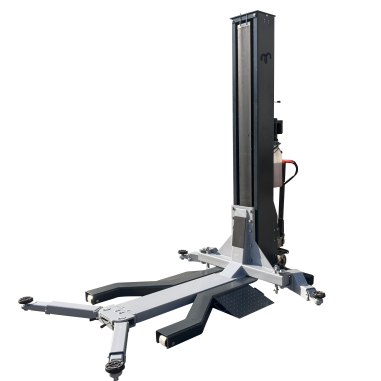
Choosing the right equipment for your garage requires understanding what truly matters when evaluating lifting solutions. A single post car lift offers unique advantages for both professional mechanics and dedicated enthusiasts, but not all models deliver the same performance or durability. The features you prioritize during selection directly impact your operational efficiency, safety record, and long-term investment value. Understanding which attributes separate reliable equipment from mediocre options helps you make informed decisions that align with your specific lifting demands and workspace constraints.
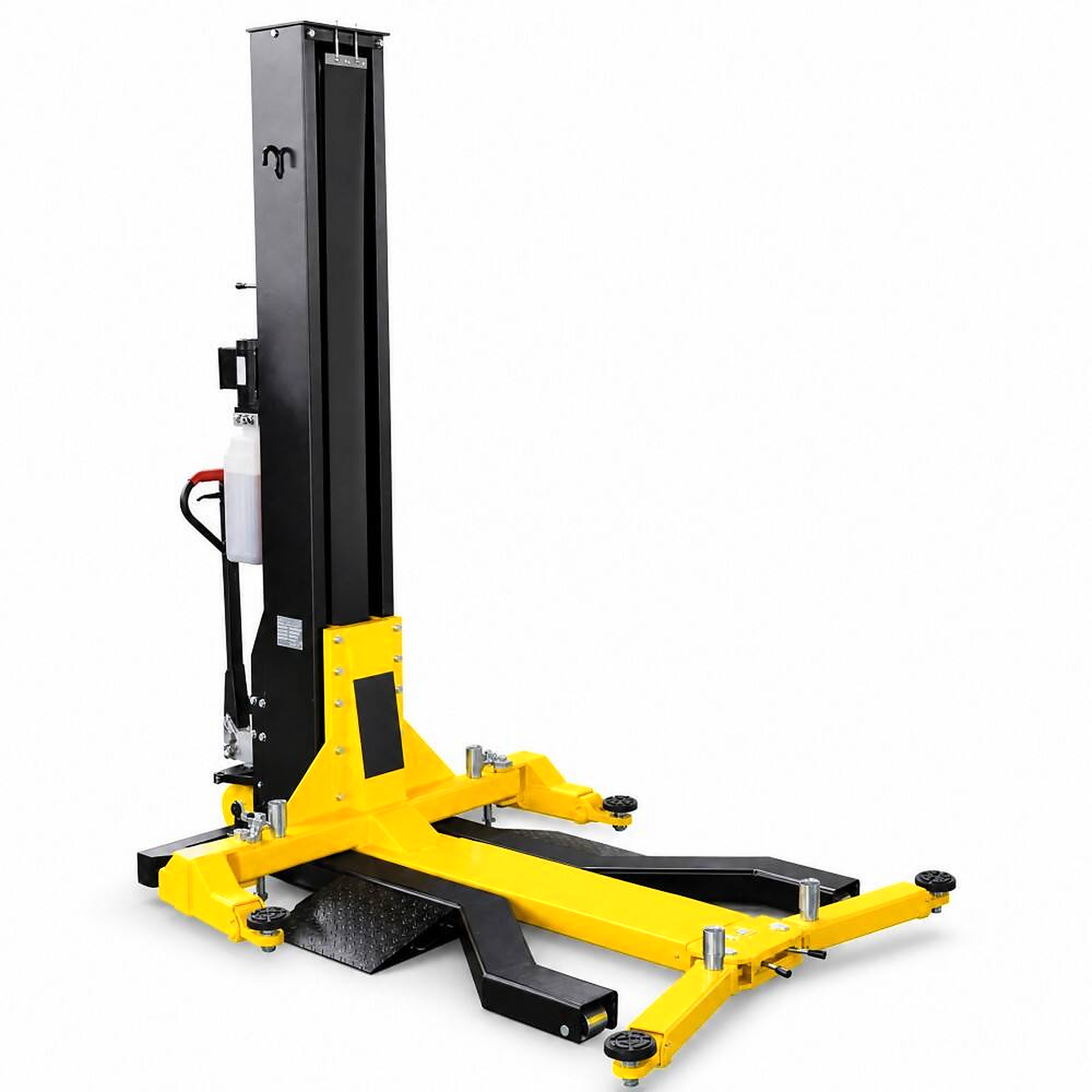
A single post car lift fundamentally changes how you access vehicle undercarriage components, perform maintenance tasks, and optimize your workspace layout. Unlike two-post designs, the single column architecture creates an open floor plan that accommodates longer vehicles, dual-bay operations, or flexible storage arrangements. This configuration appeals to facilities managing diverse vehicle sizes and types, from compact sedans to extended trucks and SUVs. The decision to invest in a single post car lift should center on measurable performance characteristics rather than superficial marketing claims or aesthetic preferences.
Safety Ratings and Load Capacity
Understanding Certified Weight Limits
Safety certification represents the foundation of any reliable single post car lift selection process. Manufacturers must test and verify maximum load capacity under controlled laboratory conditions before publishing specifications. A quality single post car lift carries certification from recognized automotive industry bodies that validate structural integrity and operational safety margins. Published load ratings typically include safety factors built into the design, meaning actual material strength exceeds the advertised maximum by significant percentages. Verifying that your selected single post car lift holds current certification demonstrates manufacturer commitment to industry compliance and liability protection.
Overload Protection Mechanisms
Modern single post car lift systems incorporate redundant safety features that prevent dangerous conditions during operation. Pressure relief valves automatically limit hydraulic system pressure to prevent over-extension and sudden collapse incidents. A quality single post car lift includes mechanical locks that engage if hydraulic pressure drops unexpectedly, holding the vehicle platform safely at its current height. These failsafe features operate independently of operator awareness or attention level, protecting facility personnel and equipment simultaneously. Comparing single post car lift models requires examining documentation about backup safety systems rather than relying solely on maximum capacity numbers.
Height Range and Platform Stability
Lift Height Measurements and Work Clearance
The vertical reach of your single post car lift directly determines which maintenance tasks remain practical within your facility. Standard single post car lift units typically achieve between 48 and 72 inches of rise, though specialty models may exceed these benchmarks. Actual working clearance depends on calculating platform height minus vehicle ground clearance, which requires reviewing specifications for both equipment and target vehicle models. A single post car lift that reaches only 48 inches may prove insufficient for technicians requiring comfortable access beneath certain trucks or performance vehicles. Documenting the minimum and maximum heights of your planned single post car lift investment ensures compatibility with your service menu and technician comfort requirements.
Platform Design and Load Distribution
The base platform geometry of a single post car lift significantly affects stability and contact surface quality. Wider platforms distribute vehicle weight across larger surface areas, reducing point-load stress on suspension components and chassis. A well-engineered single post car lift features adjustable lifting arms or pads that accommodate various vehicle wheelbase lengths and suspension designs. The platform construction material—whether steel, composite, or hybrid—influences durability, maintenance requirements, and susceptibility to corrosion. Examining how a single post car lift maintains even pressure distribution during uneven loading situations reveals design quality and real-world reliability potential.
Hydraulic System Reliability and Maintenance
Pump Performance and Pressure Consistency
The hydraulic pump represents the core mechanical system that powers your single post car lift, making its quality directly proportional to overall equipment reliability. Premium single post car lift pumps deliver consistent pressure throughout the lift cycle, preventing jittering, uneven rise, or sluggish descent patterns. Larger displacement pumps in a single post car lift design typically achieve faster cycle times, though they consume more electrical power and generate additional heat. A reliable single post car lift pump includes pressure gauges or digital displays that alert operators to pressure anomalies indicating potential maintenance issues. Reviewing pump specifications, certification standards, and manufacturer warranty terms helps evaluate whether your selected single post car lift prioritizes performance longevity.
Fluid Management and System Maintenance
Hydraulic fluid quality directly impacts how long your single post car lift operates efficiently before requiring major component replacement. A single post car lift with superior filtration systems removes contaminants more effectively, extending fluid service life and reducing maintenance costs over the equipment lifetime. Sealed hydraulic circuits in modern single post car lift designs minimize moisture absorption and environmental contamination compared to older open-system models. Accessible drain plugs, filter housings, and fluid level indicators on a quality single post car lift simplify routine maintenance procedures. Comparing maintenance intervals and required fluid volumes between single post car lift models helps project long-term operating expenses accurately.
Control Systems and Operator Interface
Power Supply and Emergency Controls
Modern single post car lift equipment requires reliable electrical power and sophisticated control logic to operate safely and consistently. Three-phase industrial power supplies provide more stable voltage delivery compared to single-phase circuits for a single post car lift installation. An excellent single post car lift incorporates emergency stop buttons positioned for immediate access, allowing operators to halt lift motion during unexpected situations. Backup power systems or manual descent capabilities ensure that a disabled single post car lift never traps vehicles or personnel in dangerous positions. Evaluating the electrical specifications and emergency protocols of your selected single post car lift prevents operational disruptions and liability exposure.
User Interface Design and Feedback Systems
How operators interact with your single post car lift directly influences daily productivity, accident prevention, and equipment longevity. Intuitive control panels on a quality single post car lift clearly label lift, lower, and stop functions with visual indicators showing current platform height. Digital displays that track pressure readings and cycle counts help technicians identify single post car lift performance degradation before critical failures occur. Wireless or remote control options expand operational flexibility, though wired systems may offer superior safety when managing multiple vehicles simultaneously. Assessing control system usability during facility tours or demonstrations ensures your team will operate the single post car lift confidently and safely.
FAQ
What maximum vehicle weight can a typical single post car lift safely support?
Standard residential and light-commercial single post car lift models support between 6000 and 9000 pounds of vehicle weight, though industrial-grade equipment may exceed 15000 pounds. Always verify the specific certified capacity of your selected single post car lift model before purchasing, as manufacturer ratings vary significantly based on design specifications and construction materials. Never operate any single post car lift beyond its published maximum capacity, as doing so voids warranties, risks structural failure, and creates dangerous liability exposure.
How often should single post car lift hydraulic fluid require replacement?
Most single post car lift manufacturers recommend replacing hydraulic fluid every 2000 operating hours or annually, whichever occurs first in typical professional environments. The actual maintenance schedule for your specific single post car lift depends on facility usage intensity, fluid quality monitoring, and contamination prevention practices. Facilities using their single post car lift heavily may require more frequent fluid changes, while occasional-use installations might extend intervals by adopting robust filtration and sealing protocols.
Can a single post car lift accommodate both compact sedans and full-size trucks?
Yes, a properly configured single post car lift with adjustable lifting arms and appropriate capacity ratings can safely service vehicles ranging from compact sedans to full-size trucks. The single column design provides greater width flexibility and wheelbase accommodation compared to traditional two-post equipment, making a single post car lift suitable for diverse vehicle types. However, verify that your specific single post car lift model has sufficient height clearance and load capacity for the largest vehicles you plan to service regularly.