 EN
EN

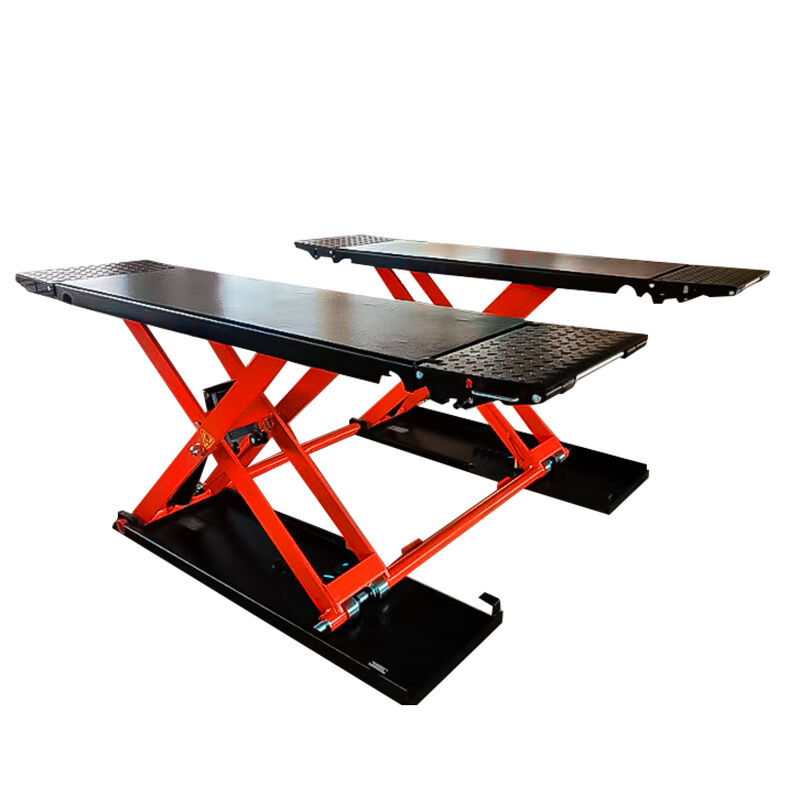
Purchasing a Hydraulic Car Lift is one of the most significant equipment investments a garage owner, automotive technician, or fleet maintenance professional can make. Whether you are outfitting a commercial workshop or upgrading a home garage, the decision carries real consequences for safety, workflow efficiency, and long-term operating costs. A hydraulic car lift that is correctly matched to your needs will pay for itself through increased productivity and reduced vehicle downtime. One that is poorly chosen can create hazardous working conditions, costly maintenance problems, and frustrating operational limitations from day one.
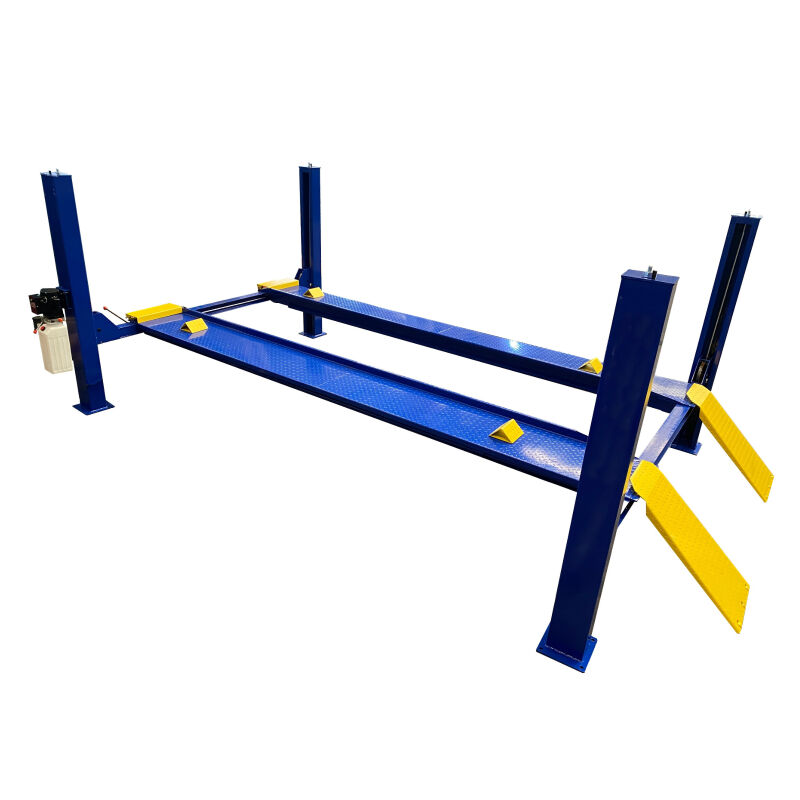
Before you commit your budget and floor space to a specific model, there are seven essential questions every buyer should work through carefully. These questions are not abstract checklists — they are practical decision filters designed to expose hidden incompatibilities, performance gaps, and specification mismatches that are easy to overlook during the excitement of a purchase. This guide walks through each question in detail so that by the time you are ready to invest in a Hydraulic Car Lift, you have the knowledge to choose with confidence.
Understanding Lift Capacity and Vehicle Compatibility
Matching Load Rating to Your Vehicle Fleet
The first and most foundational question to ask before buying a hydraulic car lift is whether its rated lifting capacity matches the heaviest vehicle you intend to service. Lift capacity is typically expressed in pounds or kilograms, and it is tempting to assume that any commercial-grade hydraulic car lift will handle any standard passenger car. In reality, the range varies widely — from units rated for compact cars at around 6,000 lbs to heavy-duty platforms capable of handling SUVs, light trucks, and vans well above 9,000 lbs.
A hydraulic car lift should never be routinely operated at or near its maximum rated load. Industry best practice recommends selecting a lift rated for at least 20 to 25 percent above your heaviest expected vehicle weight. This buffer accounts for dynamic loading, uneven weight distribution, and the inevitable addition of heavier vehicles to your fleet over time. Overlooking this margin is one of the most common and costly mistakes buyers make.
It is also worth confirming whether the lift's capacity rating is symmetrically distributed or asymmetrically rated. Some hydraulic car lift designs use asymmetric arm configurations that shift the rated center of gravity, which affects how the weight is balanced across the columns. Understanding this distinction is particularly important when servicing rear-heavy trucks or vehicles with non-standard weight distributions.
Future-Proofing Your Capacity Selection
Vehicle weights have been trending upward for years as truck-based SUVs and electric vehicles — with their heavy battery packs — become more prevalent on the road. A hydraulic car lift purchased today must remain practically useful five to ten years from now. Choosing a lift with a conservative capacity ceiling may save a small amount upfront but can force an expensive early replacement as the vehicle mix in your service bay evolves.
When evaluating a hydraulic car lift, ask the supplier specifically about the lift's performance with electric vehicles and whether any special considerations apply to their different weight profiles. This is a forward-looking question that separates knowledgeable suppliers from those simply moving inventory.
Structural Fit and Floor Space Requirements
Measuring Your Bay Before Selecting a Configuration
The second essential question is whether the hydraulic car lift you are considering physically fits your available workspace — not just in footprint, but in ceiling clearance and floor thickness as well. A four-post hydraulic car lift, for example, offers exceptional stability and is ideal for alignment work and long-term vehicle storage, but it requires more floor space than a two-post variant. If your bay dimensions are constrained, a four-post platform may block adjacent workstations or limit vehicle maneuvering.
Ceiling height is equally critical. A hydraulic car lift that raises vehicles to its maximum height of 72 inches or more requires adequate overhead clearance above that — enough for a technician to work comfortably and for vehicle components to clear any overhead obstructions. Confirm both the platform height at maximum raise and the additional clearance needed for technician safety before assuming your facility can accommodate the model you are evaluating.
Floor construction is a factor that many first-time buyers underestimate. Most commercial hydraulic car lift installations require a concrete floor of a minimum thickness — typically 4 to 6 inches at minimum — and specific compressive strength ratings to safely anchor the columns or runway rails. Installing a hydraulic car lift on inadequate flooring is a serious structural and safety risk that can void warranties and create liability exposure.
Single-Bay Versus Multi-Bay Installation Planning
If you are equipping multiple service bays, the question of hydraulic car lift configuration becomes a space planning exercise as much as a product selection decision. Consider whether a consistent lift model across all bays simplifies technician training, parts stocking, and maintenance scheduling. Mixed configurations can create confusion and increase the parts inventory burden over time.
Also evaluate traffic flow around each installed hydraulic car lift. In a busy commercial workshop, the ability of vehicles and personnel to move freely between bays directly affects throughput. A lift that is technically within the bay footprint but blocks natural movement paths will cost you efficiency every single day.
Hydraulic System Quality and Safety Mechanisms
Evaluating the Hydraulic Circuit Design
The third question to ask is how the hydraulic system on the lift is designed and what safety mechanisms are built into the hydraulic circuit. The hydraulic car lift operates on the principle of pressurized fluid transmission to raise and lower vehicle loads, and the quality of the hydraulic components — pump, cylinder seals, valves, and hoses — directly determines both performance and longevity. A low-quality hydraulic system may function adequately when new but will develop leaks, inconsistent raise speeds, and control instability as the seals age under repeated load cycles.
Ask the supplier specifically about the hydraulic cylinder construction — whether it is single-stage or multi-stage — and about the quality of the seals used at operating pressure. High-quality hydraulic car lift designs use durable polyurethane or composite seal materials that resist degradation from hydraulic fluid additives and temperature cycling. This detail is easy to overlook in a specification sheet but has a major impact on service life.
Velocity fuses and automatic lowering prevention valves are two critical safety features that belong on every professional-grade hydraulic car lift. A velocity fuse stops the platform from dropping rapidly in the event of a hydraulic line failure, and automatic lowering prevention valves lock the cylinders in the raised position during servicing. Confirm explicitly whether these features are present on any lift you are seriously evaluating.
Mechanical Safety Locks and Redundant Systems
Beyond the hydraulic circuit, mechanical safety locks are an indispensable feature on a properly engineered hydraulic car lift. These locks engage automatically at designated height intervals and prevent the platform from descending if hydraulic pressure is lost unexpectedly. The locking positions should be clearly marked and the engagement mechanism should require deliberate release — not accidental contact — to disengage.
Ask how many locking positions the hydraulic car lift offers across its full raising range, because a lift with only one or two intermediate locks provides far less flexibility than one with multiple evenly spaced positions. This matters most when technicians need to work at a specific height for a specific task and must be able to trust that the lift will hold position securely without constant attention to the hydraulic system status.
Certification Standards and Warranty Coverage
Verifying Compliance with Industry Safety Standards
The fourth question is whether the hydraulic car lift you are purchasing carries recognized safety certifications from credible third-party testing bodies. In North America, the relevant standard is the ANSI/ALI ALCTV certification, which verifies that the lift has been independently tested and meets defined load, stability, and safety performance criteria. In other markets, equivalent standards apply. A hydraulic car lift without credible third-party certification is an immediate red flag regardless of how impressive its specification sheet appears.
Certification matters not only for operational safety but also for insurance and liability reasons. Many commercial property insurers require that all vehicle lifting equipment in use meets recognized standards, and an uncertified hydraulic car lift can create coverage gaps that only become apparent after an incident. This is a business risk that goes beyond the immediate purchase decision.
Ask the supplier to provide documentation confirming which certifying body evaluated the lift and when. Certifications should be current, not expired, and should cover the specific model and configuration you are purchasing — not a similar but different model from the same product line.
Understanding Warranty Terms and What They Cover
Warranty terms for a hydraulic car lift vary widely and the differences matter significantly in practice. Some warranties cover structural components for a longer period while excluding hydraulic components or electrical systems. Others are conditional on using approved hydraulic fluid, conducting scheduled maintenance within specified intervals, or installing the lift through an authorized dealer. Read the warranty terms carefully rather than relying on the headline coverage period.
The fifth essential question is therefore: what exactly does the warranty cover, for how long, and what conditions must be maintained to keep it valid? A hydraulic car lift with a three-year warranty that covers everything is more valuable than a five-year warranty riddled with exclusions that effectively limit real protection to the first twelve months of operation.
Installation Requirements and Ongoing Maintenance Needs
Planning for Professional Installation
The sixth question is what the installation process requires and whether professional installation is mandatory, recommended, or optional for the hydraulic car lift you are evaluating. Most commercial-grade lifts require a trained installer for both safety and warranty validity reasons. The installation involves anchoring columns or runway rails into concrete using precision-specified hardware, leveling the platform to within tight tolerances, and commissioning the hydraulic system with the correct fluid type and volume. These are not tasks that should be improvised.
Even experienced mechanics who are comfortable with mechanical systems often underestimate the precision required during hydraulic car lift installation. Misalignment of even a few millimeters across a multi-post structure can create uneven load distribution that accelerates wear on cylinders and seals, produces audible structural stress during operation, and in extreme cases compromises the lift's rated safety performance. Budget for professional installation as a non-negotiable line item.
Ask the supplier whether they provide installation support, whether they have a network of certified installation contractors in your region, and what the expected installation time is for the specific hydraulic car lift model you are purchasing. This information affects your project planning timeline as much as the product lead time itself.
Maintenance Intervals and Long-Term Servicing Access
The seventh and final essential question is what ongoing maintenance the hydraulic car lift requires and whether parts and service support are readily accessible in your region. A hydraulic car lift is a long-service-life asset when properly maintained, but that maintenance is non-negotiable. Hydraulic fluid replacement, seal inspection, cable or chain tension checks on relevant configurations, and column lubrication are routine tasks that must be performed at defined intervals.
Ask the supplier for the manufacturer's published maintenance schedule and confirm that replacement hydraulic seals, fluid-compatible lubricants, and wear components are stocked and available for same-week delivery. A hydraulic car lift that sits out of service waiting for a specialty part represents a direct and quantifiable loss of productivity. The ease and cost of maintaining a hydraulic car lift over its lifetime should factor into your purchase decision as heavily as the initial acquisition price.
FAQ
What is the most important factor when selecting a hydraulic car lift for a commercial garage?
Lift capacity matched to your heaviest vehicle is the most critical factor, but it must be evaluated alongside floor suitability, ceiling clearance, and safety certification. A hydraulic car lift that meets capacity requirements but fails on any of these other dimensions can create serious operational and safety problems. Treat all the key selection factors as equally important rather than focusing on a single specification.
How do I know if my concrete floor can support a hydraulic car lift installation?
Most hydraulic car lift manufacturers publish minimum floor thickness and concrete compressive strength requirements in their installation specifications. The typical requirement is a minimum of four inches of reinforced concrete with a compressive strength of at least 3,000 psi. If you are uncertain about your floor's specification, have a structural assessment performed before purchasing the lift. Installing a hydraulic car lift on inadequate flooring is dangerous and will void most manufacturer warranties.
Is a four-post hydraulic car lift better than a two-post design for general automotive service?
Neither design is universally superior — the right choice depends on your application priorities. A four-post hydraulic car lift offers greater stability, is well-suited for wheel alignment work and long-term vehicle storage, and is generally more accessible for technicians working around the vehicle. A two-post design uses less floor space and provides freer access to the vehicle's underside. Evaluate your specific service mix and bay constraints to determine which configuration best serves your workflow.
How often does a hydraulic car lift need to be serviced to maintain safe operation?
Most manufacturers recommend a formal inspection and maintenance service for a hydraulic car lift at least once per year under normal commercial use conditions, with more frequent checks if the lift operates in high-cycle environments. Hydraulic fluid condition, seal integrity, safety lock function, and structural fastener torque are the key items to verify. Many operators also conduct brief visual pre-use inspections daily to catch developing issues before they become safety-critical problems.
Table of Contents
- Understanding Lift Capacity and Vehicle Compatibility
- Structural Fit and Floor Space Requirements
- Hydraulic System Quality and Safety Mechanisms
- Certification Standards and Warranty Coverage
- Installation Requirements and Ongoing Maintenance Needs
-
FAQ
- What is the most important factor when selecting a hydraulic car lift for a commercial garage?
- How do I know if my concrete floor can support a hydraulic car lift installation?
- Is a four-post hydraulic car lift better than a two-post design for general automotive service?
- How often does a hydraulic car lift need to be serviced to maintain safe operation?