 EN
EN


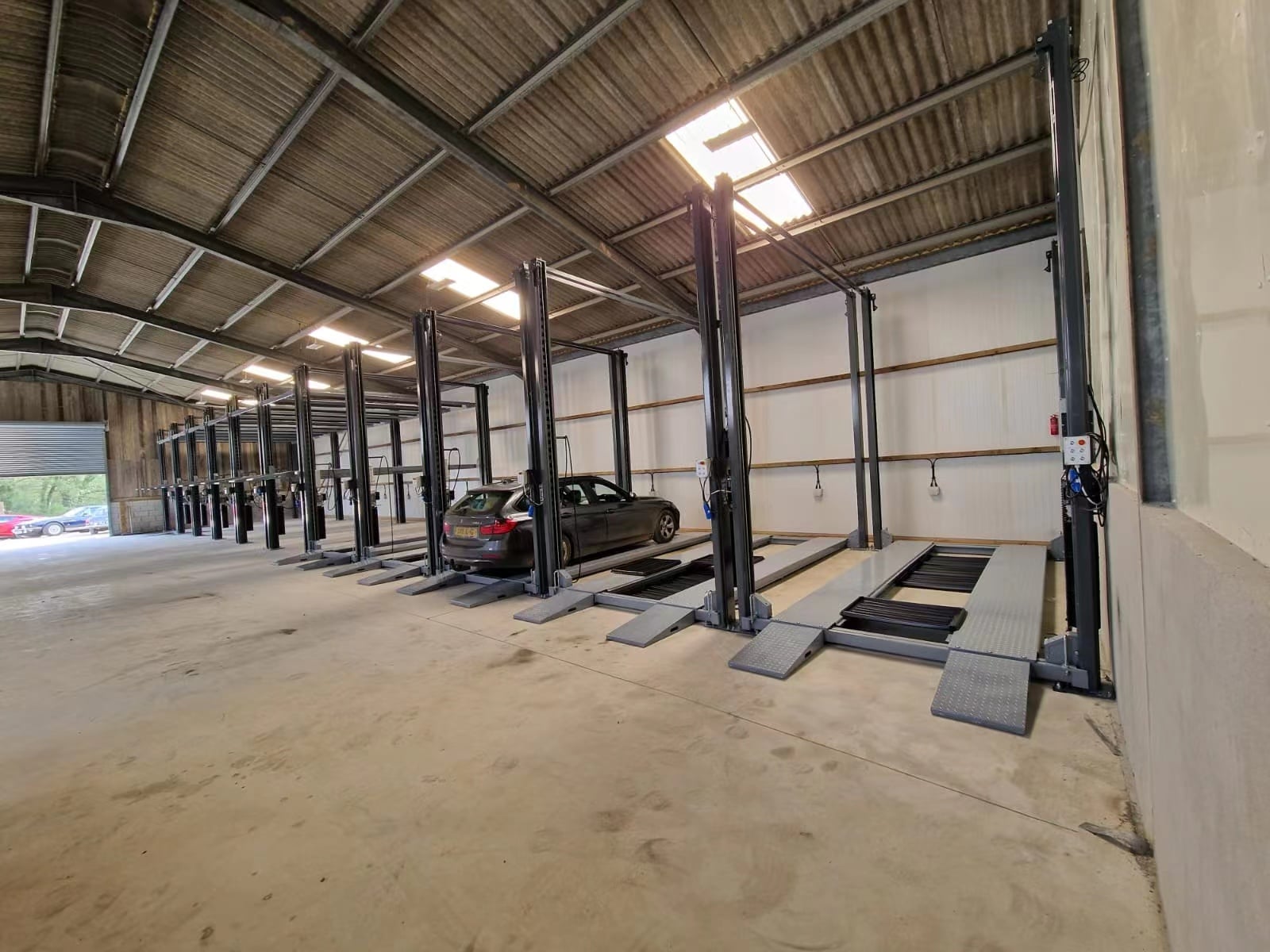
When you invest in a 4 post car lift, safety becomes your primary concern. Whether you operate a professional garage, fleet maintenance facility, or serious home workshop, the structural integrity and safety mechanisms of your 4 post car lift directly impact both worker protection and vehicle security. A quality 4 post car lift safeguards your team and equipment from accidents, property damage, and costly downtime. Understanding which safety features matter most helps you make informed purchasing decisions and maintain optimal operational standards.
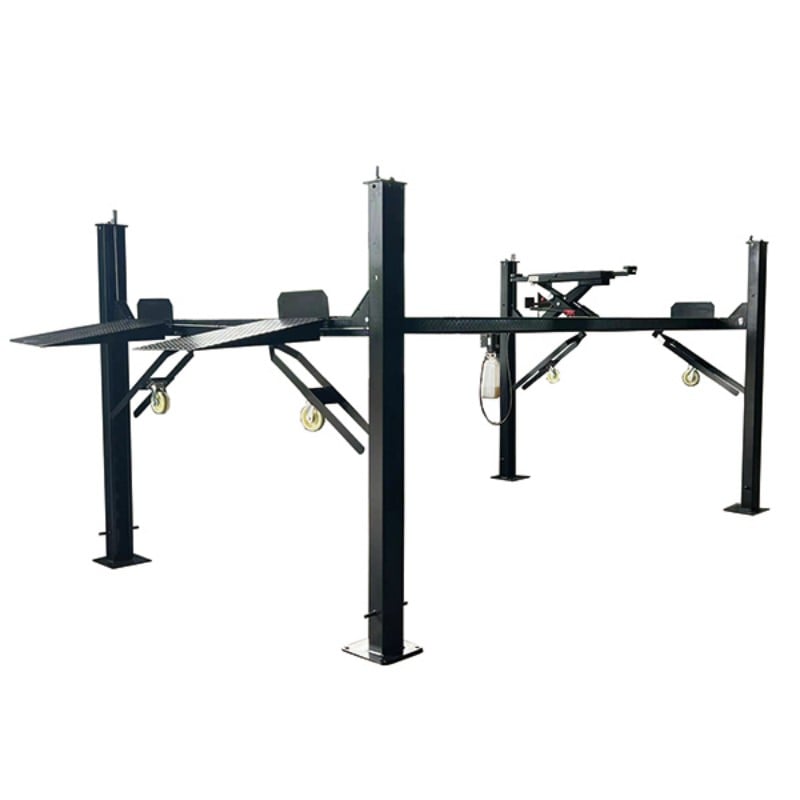
The most reliable 4 post car lift combines multiple protective layers that work together to prevent equipment failure and operator injury. These safety features include locking mechanisms, pressure relief systems, capacity management, and structural design elements. Each component plays a specific role in maintaining stability during lifting operations and protecting vehicles from accidental descent. Recognizing these essential features ensures your 4 post car lift meets industry standards and delivers consistent protection throughout its operational life.
Locking Mechanisms and Mechanical Restraints
Primary Safety Locks in a 4 Post Car Lift
The locking system represents the most critical safety feature of any 4 post car lift. A properly functioning 4 post car lift uses multiple locking points along each post that engage at specific lift heights. These mechanical locks prevent downward movement even if hydraulic pressure is completely lost. When the 4 post car lift reaches the desired height, manual or automatic locks pin the lifting columns in place, creating a fail-safe barrier against accidental descent.
Quality 4 post car lift manufacturers incorporate redundant locking systems so that even partial lock failure does not compromise safety. Each post on a 4 post car lift typically has a series of locking holes spaced every few inches, allowing operators to secure the vehicle at multiple height settings. The lock pins themselves must be constructed from hardened steel and designed to withstand loads well above the rated capacity of the 4 post car lift. This mechanical redundancy ensures that your 4 post car lift maintains vehicle position reliably during maintenance work, inspections, or unexpected power interruptions.
Dual-Pin Safety Design
Many advanced 4 post car lift models feature dual-pin or multi-point locking designs where the 4 post car lift uses two locking mechanisms per post instead of one. This dual-pin configuration on a 4 post car lift dramatically increases safety margins and prevents single-point failure scenarios. Even if one lock pin becomes damaged or dislodges, the secondary pin on your 4 post car lift immediately holds the vehicle at full load capacity. The 4 post car lift design standard that includes redundant locking represents best practice in the lifting equipment industry.
Pressure Control and Hydraulic Safety Systems
Pressure Relief Valves on a 4 Post Car Lift
The hydraulic system powering a 4 post car lift must include precision pressure relief valves that automatically prevent over-pressurization. When a 4 post car lift exceeds its rated load capacity or encounters system resistance, the pressure relief valve opens to bypass excess fluid back to the reservoir. This automatic protection mechanism ensures that your 4 post car lift cannot develop dangerous pressure levels that might cause hose rupture, seal failure, or structural damage. The pressure relief valve calibration on a 4 post car lift must be regularly tested to ensure it responds at the correct threshold.
A well-maintained 4 post car lift incorporates multiple hydraulic safety features including pressure gauges, check valves, and flow control devices. These components work together to monitor and regulate the hydraulic fluid movement within your 4 post car lift system. When you observe pressure readings on your 4 post car lift control panel, you gain real-time visibility into system performance and can detect problems early. Many operators of a 4 post car lift overlook the importance of routine hydraulic system inspection, yet this maintenance directly extends equipment life and prevents catastrophic failures.
Load-Sensing Hydraulics
Modern 4 post car lift systems employ load-sensing hydraulics that adjust pump output based on actual vehicle weight rather than maximum capacity settings. This intelligent 4 post car lift technology reduces energy consumption while enhancing safety by ensuring consistent lift speed regardless of load variations. The 4 post car lift load-sensing system automatically detects unbalanced loading conditions where weight distribution favors one side of the vehicle. When a 4 post car lift identifies imbalanced loading, integrated pressure compensators activate to maintain level lifting and prevent vehicle tilting during operation.
Structural Design and Capacity Integrity
Load Capacity Ratings and Design Margins
Every 4 post car lift carries a maximum load capacity rating that reflects the combined weight limit the equipment can safely support. A responsible 4 post car lift manufacturer designs the lift with substantial safety margins, meaning the structural components can withstand loads significantly greater than the rated capacity. Most quality 4 post car lift equipment features safety factors of at least 2.5 to 1, meaning the lift can theoretically handle 2.5 times its rated capacity before structural failure. This design margin ensures your 4 post car lift maintains integrity even when subjected to dynamic forces, uneven loading, or unexpected stress conditions.
Operators must never exceed the rated capacity of their 4 post car lift, as doing so eliminates these protective design margins and creates serious hazard conditions. When choosing a 4 post car lift for your facility, verify that the rated capacity comfortably exceeds the weight of the heaviest vehicles you plan to service. A 4 post car lift rated for 9,000 pounds provides safer operation for standard passenger vehicles and light trucks than one rated at exactly 8,500 pounds. The difference in safety margin between these two 4 post car lift models may seem modest but becomes critical during long-term operation.
Structural Stability and Post Design
The post design of a 4 post car lift directly determines its stability and resistance to side-load pressures that occur during vehicle placement and removal. Quality 4 post car lift manufacturers use reinforced steel posts with I-beam or box-beam profiles that resist bending and maintain alignment under load. The 4 post car lift posts must remain perfectly parallel throughout the lift cycle to ensure even weight distribution and prevent binding or misalignment. Misaligned posts on a 4 post car lift can cause uneven load transfer, accelerated wear, and potential safety hazards during normal operation.
The base plate configuration of your 4 post car lift contributes significantly to overall stability and prevents tip-over accidents during vehicle loading. A properly engineered 4 post car lift features wide-stance base plates with substantial bolt-down holes for secure floor installation. When installing a 4 post car lift in your facility, ensure the concrete floor meets or exceeds specification requirements and that anchor bolts are tightened to manufacturers' specifications. The 4 post car lift that shifts slightly on its base indicates installation problems that compromise safety and must be corrected immediately.
FAQ
What specific safety certifications should a 4 post car lift have?
A quality 4 post car lift should carry certifications from recognized safety organizations such as ANSI (American National Standards Institute) or ISO (International Organization for Standardization). These certifications confirm that your 4 post car lift has been designed, manufactured, and tested according to established safety standards. Look for 4 post car lift models that include third-party inspection reports and capacity verification testing. Reputable 4 post car lift manufacturers provide complete documentation of all safety certifications and testing results with their equipment.
How often should a 4 post car lift undergo safety inspections?
A properly maintained 4 post car lift should receive formal safety inspections at least annually, though high-volume facilities may benefit from semi-annual inspections. Your 4 post car lift inspection should include verification of all locking mechanisms, pressure relief valve function, hydraulic fluid condition, and structural integrity checks. Many operators perform basic pre-use visual checks on their 4 post car lift daily, looking for leaks, unusual noises, or binding during lift cycles. A 4 post car lift that shows any signs of deterioration or unusual behavior should be taken out of service until professional inspection and repair are completed.
Can an overloaded 4 post car lift pose immediate safety risks?
Yes, overloading a 4 post car lift creates immediate hazards including structural failure, hydraulic rupture, and uncontrolled vehicle descent. When you exceed the rated capacity of your 4 post car lift, you eliminate the safety margins built into the equipment design. An overloaded 4 post car lift may appear to function normally during initial lifting but may fail catastrophically mid-cycle or while holding the vehicle. Never attempt to lift vehicles or combined loads that exceed your 4 post car lift rated capacity, as the consequences can include worker injury, vehicle damage, and equipment destruction.