 EN
EN


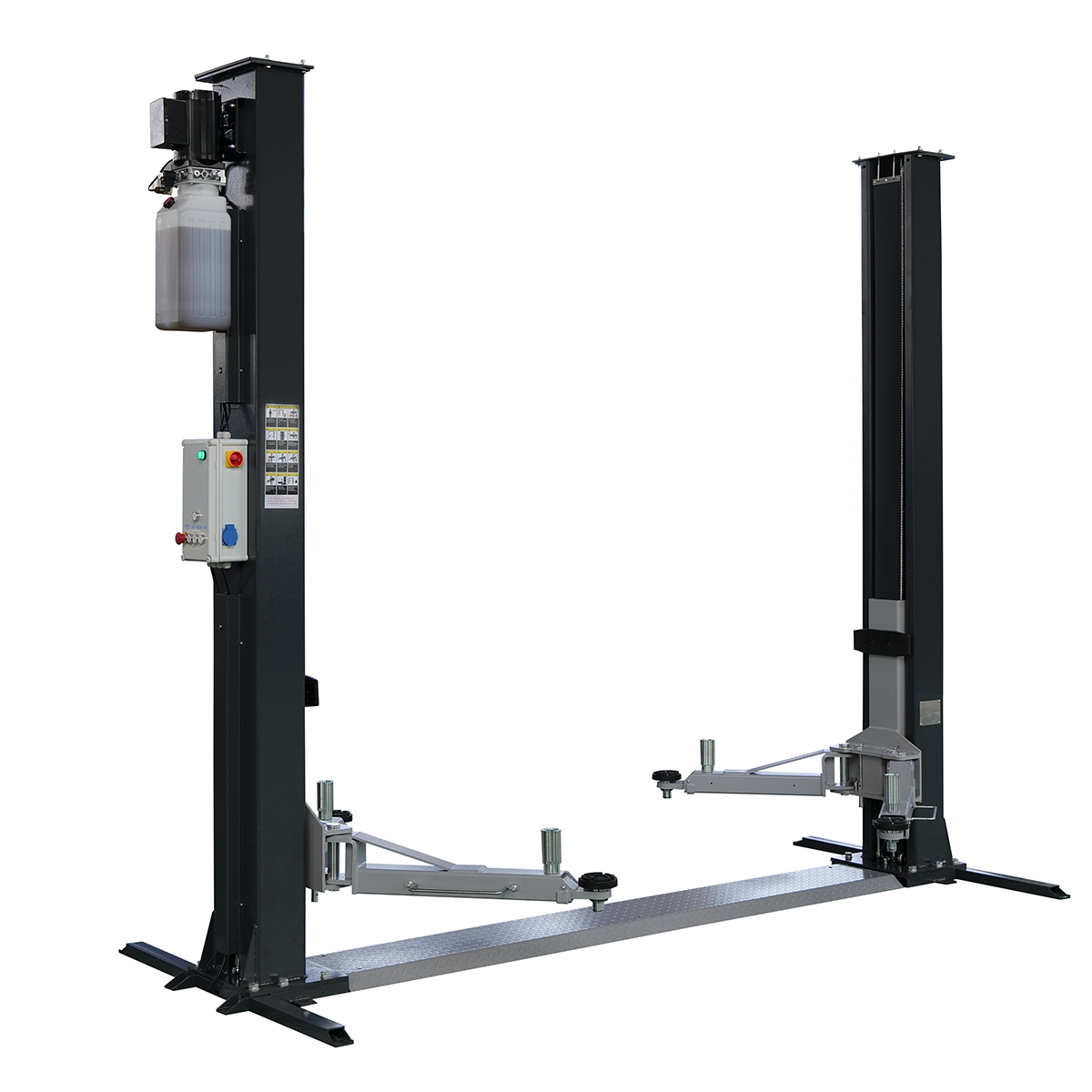
Selecting the right 2 post car lift is one of the most critical decisions a garage owner or automotive professional can make. A quality 2 post car lift directly impacts your operational efficiency, workplace safety, and long-term cost savings. Whether you operate a small independent shop, a busy commercial garage, or maintain vehicles as a dedicated hobbyist, investing in the correct 2 post car lift equipment establishes the foundation for reliable vehicle service and maintenance. The wrong choice can lead to safety risks, maintenance downtime, and wasted capital expenditure.
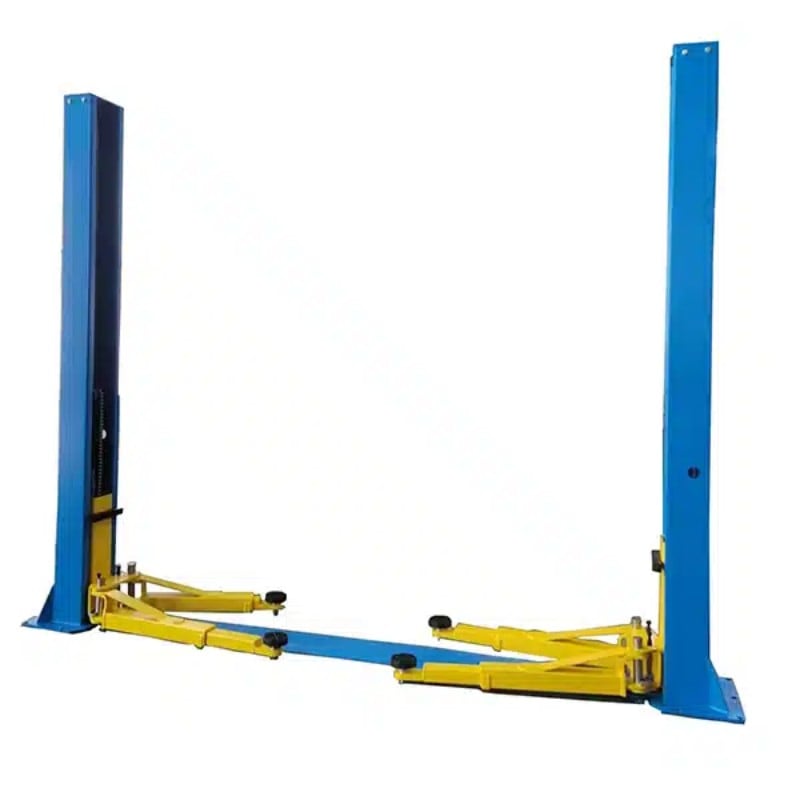
This comprehensive guide walks you through every essential factor when evaluating a 2 post car lift. Understanding lift capacity, safety certifications, installation space requirements, maintenance protocols, and performance specifications ensures you make a data-driven decision aligned with your specific operational needs. By the end of this guide, you will have the knowledge to confidently compare options, assess vendor claims, and select a 2 post car lift that delivers reliability and value for years to come.
Understanding Lift Capacity and Vehicle Coverage
Determining Your Capacity Requirements
Lift capacity is the single most important technical specification when choosing a 2 post car lift. Every 2 post car lift carries a rated maximum weight capacity, typically ranging from 8,000 to 14,000 pounds for standard commercial models. Your capacity requirement depends entirely on the vehicle classes you regularly service. A 2 post car lift designed for compact and mid-size sedans requires less capacity than a 2 post car lift engineered for SUVs, trucks, or performance vehicles with reinforced frames. Undersizing your 2 post car lift creates safety hazards and operational bottlenecks; oversizing unnecessarily increases acquisition and operational costs.
Matching Vehicle Types to Lift Specifications
Modern sedans typically weigh between 3,000 and 4,500 pounds, while mid-size SUVs range from 4,500 to 6,500 pounds. Full-size trucks and luxury vehicles can exceed 8,000 pounds when fully loaded. When selecting a 2 post car lift, always calculate the maximum anticipated vehicle weight, then add a 20 to 25 percent safety margin to your selected capacity rating. A 2 post car lift with asymmetrical lift arms accommodates vehicles with non-standard weight distribution, such as trucks with extended cabs or front-heavy equipment vehicles. Verify that your chosen 2 post car lift handles both the vertical lift requirement and the lateral weight balance of your typical vehicle inventory.
Safety Certifications and Compliance Standards
Industry Safety Standards and Regulatory Requirements
Every reputable 2 post car lift must comply with American National Standards Institute (ANSI) standards and OSHA workplace safety guidelines. A certified 2 post car lift carries independent third-party testing documentation confirming that the equipment meets or exceeds industry safety benchmarks. Safety certifications verify that your 2 post car lift has been engineered with appropriate safety factors, redundant locking mechanisms, and fail-safe hydraulic systems. Before finalizing any purchase, request the 2 post car lift manufacturer's certification documentation and verify compliance with your regional regulatory bodies. Non-compliant equipment exposes your business to liability claims, worker compensation issues, and potential operational shutdowns.
Key Safety Features in Modern Lift Design
Contemporary 2 post car lift designs incorporate mechanical safety locks, hydraulic pressure relief valves, and manual descent options to prevent catastrophic failures. A quality 2 post car lift includes safety cable redundancy, meaning that even if primary hydraulic pressure is lost, mechanical locking pins prevent uncontrolled descent. The best 2 post car lift models feature automatic safety shutoffs when the lift reaches maximum height, and illuminated control panels that provide clear operational feedback. Some advanced 2 post car lift systems include height-limiting switches and pressure monitoring sensors that alert operators to anomalies before they become dangerous. When evaluating specific models, prioritize a 2 post car lift with visible safety features and transparent manufacturer documentation of each protective mechanism.
Installation Requirements and Space Considerations
Evaluating Your Garage Layout and Structural Needs
A 2 post car lift requires adequate floor space, proper ceiling height, and sufficient structural capacity in your building foundation. Standard 2 post car lift models range from 10 to 14 feet in width and require minimum ceiling heights of 12 to 14 feet to safely raise vehicles for undercarriage work. Before selecting a specific 2 post car lift, measure your available space including clearance for vehicles, technician movement, and service equipment. The 2 post car lift installation must maintain at least 3 feet of clearance on all sides for safe operation and emergency access. Additionally, verify that your concrete floor or foundation can support the concentrated weight loads that a 2 post car lift imposes, typically ranging from 10,000 to 20,000 pounds depending on the model.
Electrical and Hydraulic System Infrastructure
A 2 post car lift requires either three-phase or single-phase electrical service, depending on the model specifications. Most commercial 2 post car lift equipment operates on 240-volt three-phase power, though some portable 2 post car lift models can function on standard 120-volt single-phase circuits with reduced lifting speed. Your facility must have adequate electrical capacity and properly grounded outlets to safely power the 2 post car lift pump motor and control systems. Some 2 post car lift installations require auxiliary hydraulic systems or remote pressure monitoring equipment, which adds to installation complexity and total project cost. Professional installation of your 2 post car lift by certified technicians ensures compliance with electrical codes, proper pressure calibration, and warranty validity.
Maintenance, Longevity, and Total Cost of Ownership
Preventive Maintenance and Service Protocols
Regular maintenance extends the operational lifespan of your 2 post car lift and prevents costly emergency repairs. A comprehensive 2 post car lift maintenance program includes quarterly hydraulic fluid inspections, annual seal replacements, and biennial recalibration of safety systems. The 2 post car lift hydraulic pump requires clean fluid free of water contamination and particulate matter to function reliably. Most manufacturers recommend changing 2 post car lift hydraulic fluid every 1,000 to 2,000 operating hours, depending on usage intensity and environmental factors. Establishing a documented maintenance schedule for your 2 post car lift demonstrates due diligence, supports workplace safety culture, and maintains manufacturer warranty protection.
Evaluating Long-Term Economic Value
The true cost of ownership for a 2 post car lift extends far beyond the initial purchase price. Calculate the total economic impact by combining acquisition cost, installation expenses, annual maintenance and repairs, energy consumption, potential downtime losses, and eventual decommissioning costs. A high-quality 2 post car lift may carry a higher upfront price but delivers lower maintenance costs, greater reliability, and superior residual value compared to budget alternatives. The 2 post car lift models with advanced automation features typically cost more initially but reduce operator fatigue, decrease service time per vehicle, and improve shop throughput. Comparing multiple vendors and acquisition models, such as leasing versus purchasing, helps identify the financing strategy that maximizes your return on equipment investment over the typical five-to-ten-year deployment period.
FAQ
What is the typical lifespan of a 2 post car lift in commercial service?
A well-maintained 2 post car lift typically operates reliably for 8 to 12 years in commercial service environments. The actual lifespan depends on usage frequency, maintenance discipline, hydraulic fluid quality, and environmental conditions such as temperature extremes or high humidity. Many 2 post car lift installations continue functioning safely beyond 15 years if equipped with modern safety upgrades and subjected to rigorous preventive maintenance protocols. Scheduling professional inspections every two years after the eighth year of operation helps identify potential component wear before critical failures occur.
Can a 2 post car lift be relocated or reinstalled in a new facility?
Yes, a 2 post car lift can be relocated to a new facility, though the process requires careful planning and professional expertise. The relocation process involves draining hydraulic fluids, disconnecting electrical systems, carefully disassembling the lift structure, transporting all components safely, and then reinstalling and recalibrating the 2 post car lift at the new location. The cost of relocating a 2 post car lift typically ranges from 15 to 25 percent of the original equipment price, depending on distance and site preparation requirements. After any 2 post car lift relocation, a certified technician must verify all safety systems and obtain new compliance documentation before resuming normal operations.
What distinguishes a 2 post car lift from other garage lifting equipment alternatives?
A 2 post car lift differs from four-post lifts, scissor lifts, and portable jacks in design, capacity, and operational characteristics. The 2 post car lift provides an open floor design that enables technician access underneath vehicles and allows for wheel removal and tire work without repositioning the vehicle. Four-post lifts offer greater stability for routine maintenance but require more floor space and cannot accommodate extensive undercarriage work. Scissor lifts provide compact vertical lift capability but handle only lower weight capacities. The 2 post car lift remains the industry standard for professional automotive shops because it balances capacity, accessibility, operational efficiency, and cost-effectiveness for comprehensive vehicle servicing.