 EN
EN


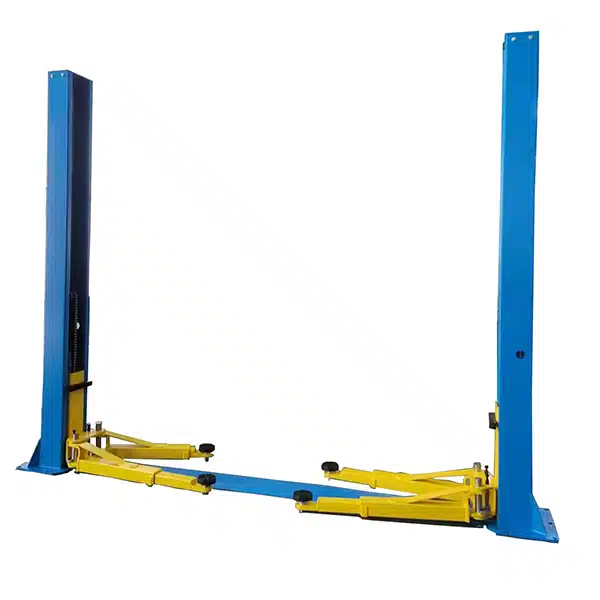
Choosing the right tire changer for your workspace is a decision that goes far beyond simply picking a machine that fits your budget. Whether you are setting up a full-service automotive bay or organizing a personal garage, the equipment you pair with your tire changer will define how efficiently and safely you can work. One of the most critical pieces of supporting equipment in any serious tire service setup is a quality 2 Post Car Lift, which allows technicians to raise vehicles cleanly and access wheels with minimal effort. Understanding the difference between professional-grade and home-use tire changers — and knowing which one aligns with your actual needs — is the foundation of a smart equipment investment.
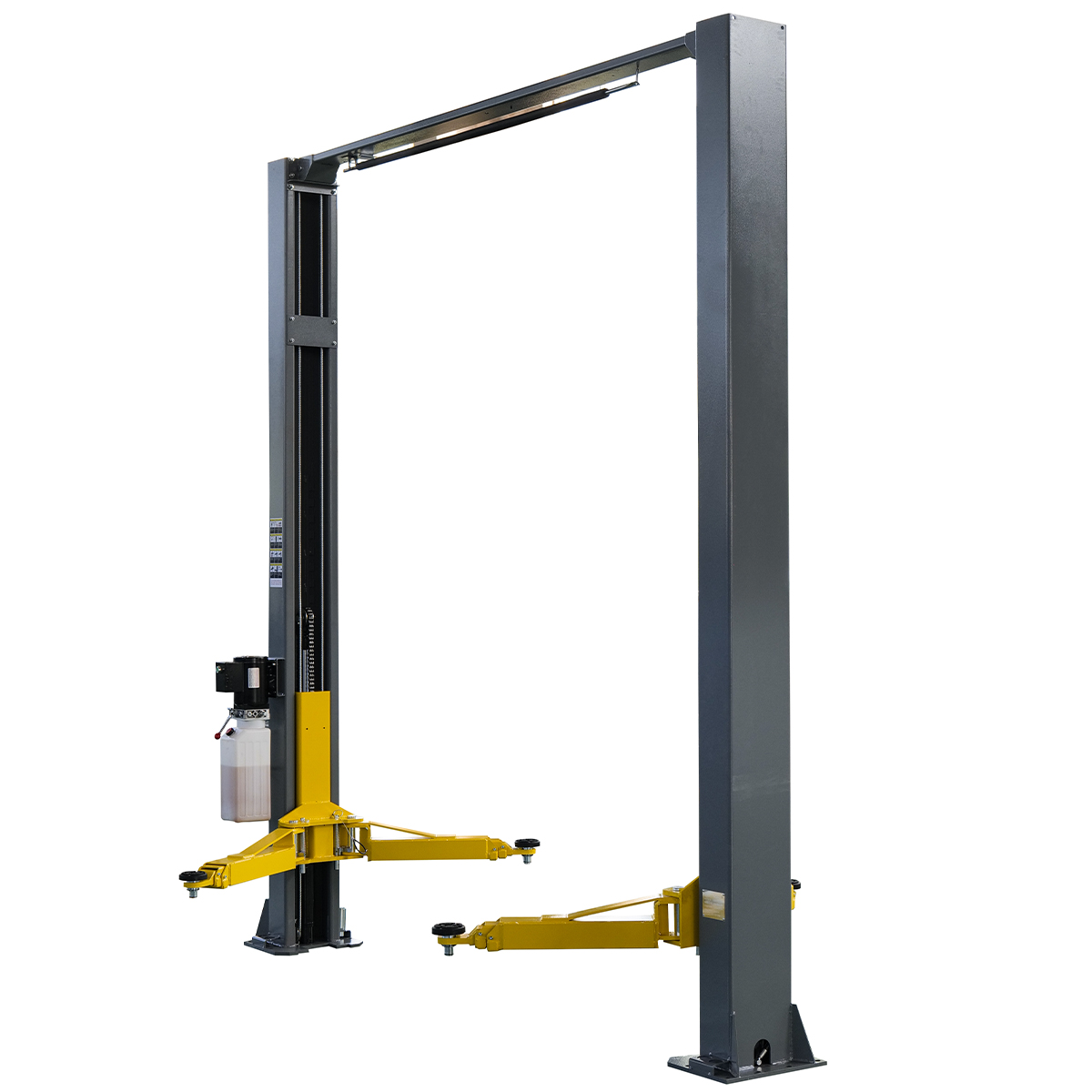
The tire service industry has evolved significantly, and so has the range of equipment available to both professionals and enthusiasts. A 2 Post Car Lift is no longer exclusive to commercial shops — many serious home mechanics now invest in one to bring shop-level capability into their private garages. But the tire changer itself must also match the environment, the volume of work, and the types of vehicles being serviced. This article walks through the key selection criteria so you can make a confident, well-informed choice between professional and home-use tire changers based on your specific situation.
Understanding the Core Differences Between Professional and Home Use Tire Changers
Build Quality and Duty Cycle
Professional tire changers are engineered for continuous, high-volume operation. In a commercial shop environment, a machine may process dozens of tire changes per day, which demands heavy-gauge steel construction, reinforced clamping arms, and motors rated for sustained duty cycles. These machines are built to maintain consistent performance under pressure without overheating or losing calibration over time.
Home-use tire changers, by contrast, are designed for intermittent use — typically a few tire changes per month at most. Their components are lighter, their motors are smaller, and their overall construction reflects a lower expected workload. This does not make them inferior for their intended purpose, but it does mean they will wear out quickly if pushed into a professional-volume environment.
When pairing a tire changer with a 2 Post Car Lift in a home garage, a mid-range home-use model is often entirely sufficient. The 2 Post Car Lift handles the heavy lifting, and the tire changer handles the bead breaking and mounting — together they create a capable, ergonomic workflow without requiring commercial-grade investment.
Clamping Range and Wheel Compatibility
Professional tire changers typically offer a wider clamping range to accommodate everything from compact car wheels to large truck and SUV rims. Many commercial models also include tilt-back towers, helper arms, and low-profile adapters that allow technicians to work on run-flat tires and oversized alloy wheels without risking damage.
Home-use models generally cover standard passenger car wheel sizes, which is adequate for most personal vehicle maintenance. If your garage primarily services sedans, crossovers, or light trucks, a home-use tire changer paired with a 2 Post Car Lift will handle the job cleanly. However, if you regularly work on performance vehicles with staggered fitments or low-profile tires, you may need to step up to a semi-professional model.
The 2 Post Car Lift plays an important role here as well. By elevating the vehicle to a comfortable working height, it reduces the physical strain of removing and reinstalling heavy wheels, which makes even a simpler tire changer feel more capable in practice.
Matching Your Tire Changer to Your Work Volume and Vehicle Types
Assessing Your Monthly Tire Change Volume
Volume is one of the clearest indicators of which category of tire changer you need. A professional shop handling 20 or more tire changes per day requires a machine with a robust motor, a fast bead breaker, and a durable turntable that can withstand constant rotation. Downtime in a commercial environment translates directly to lost revenue, so reliability and serviceability are non-negotiable.
For a home mechanic or small independent operator doing seasonal tire swaps and occasional repairs, the calculus is very different. A home-use tire changer that processes four to eight wheels per session, a few times per year, will last for many years without issue. Investing in a 2 Post Car Lift alongside a home-use tire changer is often a smarter allocation of budget than overspending on a commercial tire changer that will never be used to its capacity.
It is worth noting that the 2 Post Car Lift itself adds significant value to any tire service setup regardless of volume. The ability to raise a vehicle safely and work at eye level with the wheel assembly improves both speed and accuracy, whether you are a professional technician or a weekend enthusiast.
Vehicle Types and Tire Profiles in Your Workflow
The types of vehicles you service should heavily influence your tire changer selection. Standard passenger vehicles with conventional tire profiles are straightforward to service on most tire changers. But modern vehicles increasingly feature low-profile tires, run-flat constructions, and large-diameter alloy wheels that require more sophisticated tooling to mount and demount without causing damage.
Professional tire changers address this with features like swing-arm assist, plastic-coated bead tools, and adjustable duck-head assemblies. These features protect expensive alloy wheels and reduce the risk of bead damage on stiff run-flat tires. If your home garage regularly sees performance cars or luxury vehicles, these features become relevant even in a non-commercial context.
A 2 Post Car Lift complements this capability by giving you stable, elevated access to each wheel. When the vehicle is properly raised and supported, the technician can focus entirely on the tire changer operation rather than managing awkward angles or unstable positioning. This synergy between the lift and the tire changer is what separates a well-equipped garage from a frustrating one.
Key Features to Evaluate When Selecting a Tire Changer
Bead Breaker Force and Mechanism
The bead breaker is the component that separates the tire bead from the wheel rim, and its force and mechanism vary significantly between professional and home-use models. Professional machines typically use a horizontal or vertical bead breaker with high pneumatic force, capable of breaking even the most stubborn beads on stiff run-flat or winter tires without multiple attempts.
Home-use models often use a simpler lever-style or lower-force pneumatic bead breaker that works well on standard tires but may struggle with stiffer constructions. For most home mechanics working on everyday passenger vehicles, this is not a limitation. But if you are servicing a wide variety of tire types, it is worth testing or researching the bead breaker performance of any model you are considering.
Pairing a capable bead breaker with a 2 Post Car Lift creates a workflow where the vehicle is raised, the wheel is removed efficiently, and the tire change is completed cleanly — all without the physical strain that comes from working at ground level with inadequate tools.
Turntable Speed and Control
Turntable speed affects how quickly a technician can complete each tire change. Professional machines offer variable speed control and fast rotation, which reduces cycle time in high-volume environments. The ability to fine-tune turntable speed also helps when working with delicate alloy wheels that require careful handling during the mounting phase.
Home-use models typically offer a single speed or a simple two-speed setting, which is adequate for occasional use. The key is ensuring the turntable clamps securely and rotates smoothly without wobble, as an unstable turntable can cause rim damage regardless of the operator's skill level.
When your garage is equipped with a 2 Post Car Lift, the overall workflow becomes more organized. Wheels are removed at a comfortable height, brought to the tire changer, processed efficiently, and reinstalled — a sequence that benefits from both a reliable tire changer and a stable lifting solution.
Budget Considerations and Long-Term Value
Upfront Cost vs. Total Cost of Ownership
Professional tire changers carry a significantly higher upfront cost, but for a commercial shop, that investment is justified by the machine's durability, speed, and ability to handle a wide range of tire types without additional adapters. The total cost of ownership over five to ten years often favors the professional model when volume is high, because cheaper machines may require frequent repairs or replacement.
For home use, the calculus reverses. A mid-range home-use tire changer combined with a quality 2 Post Car Lift represents a far more balanced investment. The lift provides lasting value across all types of vehicle maintenance — not just tire changes — while the tire changer handles its specific task without unnecessary over-engineering.
It is also worth considering that a 2 Post Car Lift retains its value well and can be used for oil changes, brake work, suspension service, and general inspections. This versatility makes it one of the highest-return investments a serious home mechanic or small shop operator can make, regardless of which tier of tire changer they choose.
Space Requirements and Installation Planning
Professional tire changers are physically larger and require more floor space, adequate compressed air supply, and often three-phase electrical connections. These requirements are standard in commercial shop environments but may present challenges in a residential garage setting.
Home-use tire changers are more compact and typically operate on standard single-phase power with a modest air compressor. This makes them far more practical for home installation. A 2 Post Car Lift, meanwhile, requires a concrete floor of sufficient thickness and a ceiling height that accommodates the vehicle at full lift height — factors that should be assessed before purchase.
Planning your garage layout around both the 2 Post Car Lift and the tire changer ensures that your workflow is logical and safe. The lift should be positioned to allow full access to all four wheels, and the tire changer should be placed close enough to minimize the distance you carry heavy wheels during the service process.
FAQ
Can a home-use tire changer handle low-profile or run-flat tires?
Some home-use tire changers can handle low-profile tires, but run-flat tires typically require a machine with higher bead breaker force and a helper arm or assist device. If you regularly work with run-flat tires, consider a semi-professional model that includes these features, and pair it with a 2 Post Car Lift to ensure stable, ergonomic access to each wheel during the process.
Is a 2 Post Car Lift necessary if I already have a floor jack and stands?
A floor jack and stands can work for occasional tire changes, but a 2 Post Car Lift offers significantly better stability, faster setup, and the ability to raise the entire vehicle at once. For anyone doing regular tire service or other maintenance tasks, the 2 Post Car Lift is a worthwhile upgrade that improves both safety and efficiency across all types of work.
What air compressor size do I need to run a home-use tire changer?
Most home-use tire changers require a compressor capable of delivering at least 10 to 15 CFM at 100 to 145 PSI. A tank capacity of 60 gallons or more is recommended to ensure consistent pressure during bead breaking and inflation. If you are also running a 2 Post Car Lift with pneumatic controls, factor that air demand into your compressor selection as well.
How do I know if my garage floor can support a 2 Post Car Lift?
Most 2 Post Car Lift installations require a concrete floor that is at least 4 inches thick, with a compressive strength of 3,000 PSI or higher. Before installation, it is advisable to consult the lift manufacturer's specifications and, if necessary, have a structural assessment performed. Proper anchoring is critical to safe operation, and this step should never be skipped regardless of the lift's rated capacity.